Canada Eyes Its Own Rockets as US Ties Strain
Space·October 2, 2026
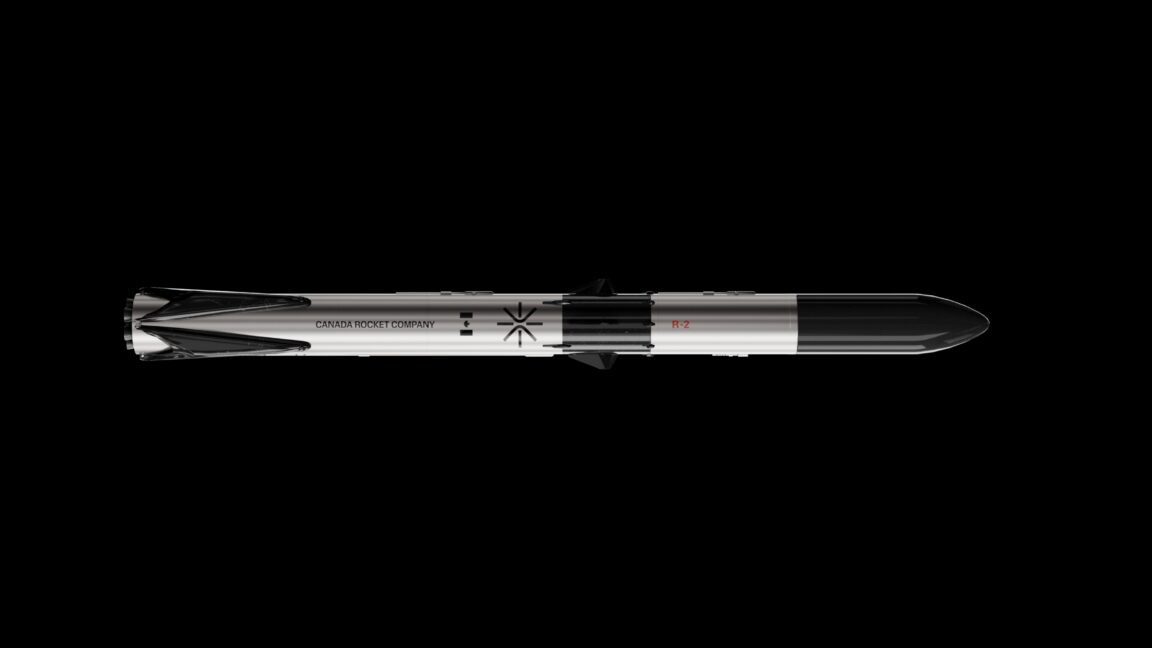
Canada has long been a space nation without a way to reach orbit on its own. Its astronauts, satellites and science missions have flown on American, European and other foreign rockets, and no Canadian-built vehicle has ever put a payload into orbit from Canadian soil. A start-up called the Canada Rocket Company now says it wants to change that, and it is aiming at the medium-lift class rather than a small demonstration rocket.
The timing is not accidental. As relations with Washington have frayed, Canadian officials and industry figures have grown more vocal about the risks of depending on a single neighbor for critical infrastructure, and launch is high on that list. Satellites for communications, Arctic surveillance and defense all need a ride to orbit, and access that relies on another country's goodwill, export rules and launch schedules is access that can be delayed or denied.
Medium-lift is a deliberate choice. Small launchers can serve the booming market for tiny satellites, but they cannot carry the heavier payloads that government and defense customers increasingly want, nor the batches of spacecraft needed to build a constellation. A rocket in the medium class would give Canada something closer to a genuinely useful national capability, though it is also a far harder and more expensive engineering and financing challenge.
That difficulty is the central question hanging over the effort. Developing a reliable orbital rocket has humbled well-funded companies in much more established space nations, and Canada starts with limited domestic launch heritage and no large government anchor contract guaranteed. Success would likely depend on sustained public backing, committed customers and a launch site able to handle regular operations. Canada has candidate coastal locations, including in Nova Scotia, that have drawn interest from commercial launch ventures in recent years.
Still, the political climate may help. Sovereignty arguments have a way of unlocking funding that purely commercial pitches cannot, and a government looking to reduce its reliance on American partners has an incentive to back a homegrown option. If the Canada Rocket Company can turn its ambition into hardware and a credible schedule, it could become the centerpiece of a new Canadian launch industry. If it cannot, the country will remain a spacefaring customer, not a spacefaring provider.
Reporting based on an external source.