Electrification Target Gains Momentum, but the Hard Part Is Still Ahead
Energy Tech·October 5, 2026
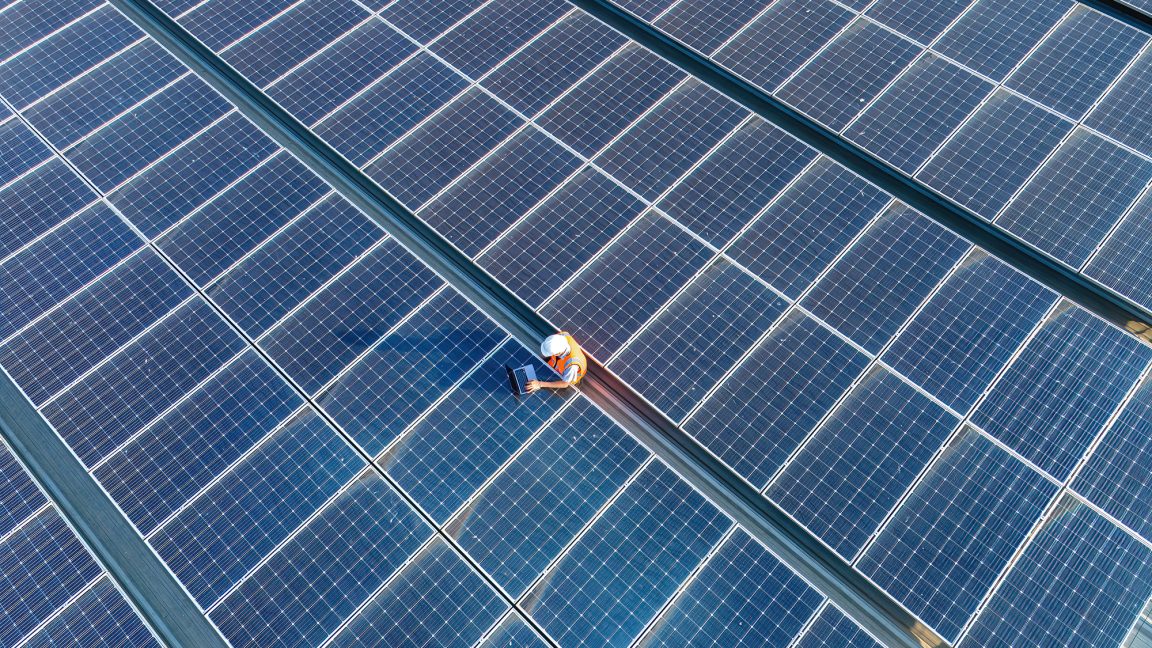
The International Energy Agency and a growing group of climate negotiators are pushing for a formal global target on electrification, a goal for how much of the world's energy use should come from electricity rather than burning fuel directly. The idea is gaining traction because electricity is the one energy carrier that can be produced cleanly at scale, and cars, heating and industrial processes are increasingly able to run on it.
The appeal is easy to see. Efficiency gains are large: an electric motor wastes far less energy than a combustion engine, and a heat pump delivers several units of heat for each unit of electricity it consumes. Falling prices for solar, wind and batteries have strengthened the case. A shared target would give governments, utilities and manufacturers a clear signal to plan around, much as past goals on renewables and energy efficiency did.
But proponents acknowledge that headline targets are the simple part. Shifting transport, buildings and factories onto electricity means a sharp rise in power demand, and that demand has to be met by new clean generation rather than by fossil plants running harder. Grids in many countries are already congested. Connection queues for new solar and wind projects stretch for years, and transformers, cables and other equipment face long lead times.
Then there are sectors that do not electrify easily. Steel, cement, chemicals, shipping and aviation need very high temperatures or very energy-dense fuels, and for them electrification may mean indirect routes such as hydrogen produced from clean power. Those pathways are costlier and less mature, which complicates any single economy-wide number.
Politics and cost add further friction. Households must buy new appliances and vehicles, and many cannot afford the upfront price even when running costs are lower. Pricing rules in some markets still tax electricity more heavily than gas or oil, which blunts the incentive to switch. Developing economies, meanwhile, want assurances that a target will come with financing and not just obligations.
Negotiators now face a design question as much as an ambition question. A target could be expressed as a share of final energy demand, tied to sector milestones, or paired with commitments on grid investment. Each option carries trade-offs between simplicity and realism. The risk is a headline figure that sounds bold but has no mechanism behind it.
For the technology sector, the debate matters. Demand for power-hungry data centers is already adding pressure to grids, and electrification would stack more load on top. Whoever builds the networks, storage and smart controls that balance that load stands to benefit, and the way a target is framed could shape where that investment flows.
Reporting based on an external source.