Kalshi Loses Again in Court, Prediction Market Fight Heads Toward Supreme Court
September 28, 2026
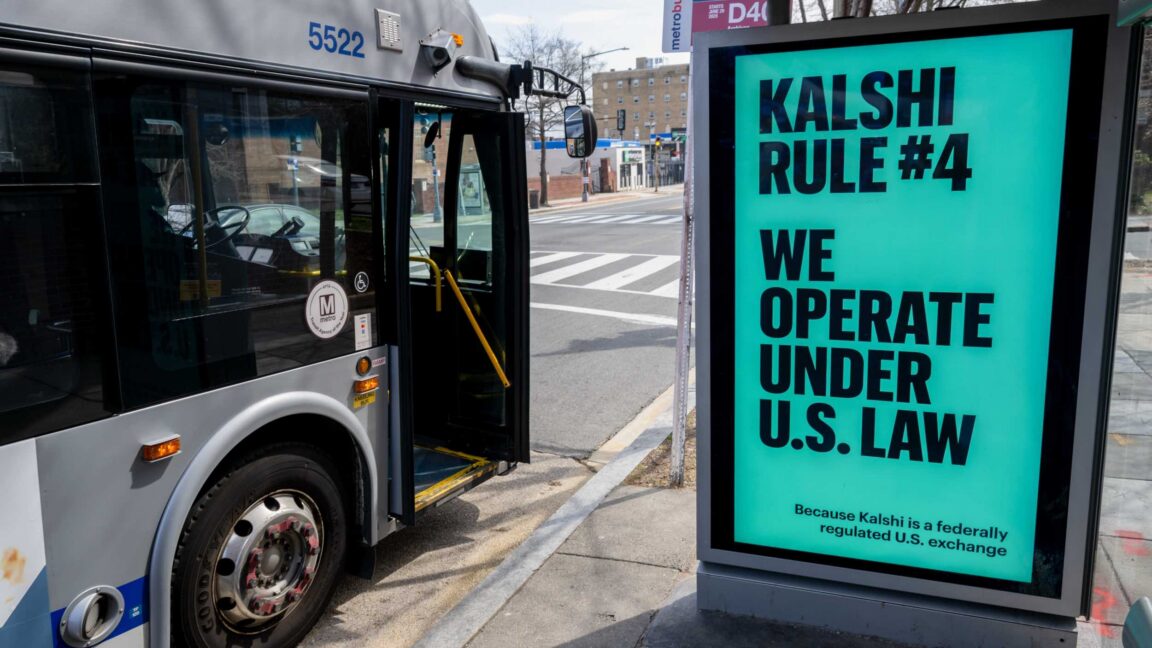
Kalshi's bet that federal law shields it from state gambling regulators just took another hit. In the latest of a string of court setbacks, judges have again ruled that the prediction market operator cannot simply ignore state gambling statutes by pointing to its federal license, a decision that pushes the company's yearslong legal fight closer to the U.S. Supreme Court.
Kalshi operates as a "designated contract market" overseen by the Commodity Futures Trading Commission, a status that lets it list contracts letting users bet on outcomes ranging from elections to economic indicators to, most controversially, sports results. The company's core legal argument has been that because the CFTC regulates it at the federal level, state gambling laws are preempted and simply don't apply, no matter how much its sports contracts resemble a sportsbook wager.
State regulators have pushed back hard, arguing that dressing up a bet on a football game as a "financial contract" doesn't change what it actually is. Several states have moved to block Kalshi's sports-related offerings, and the courts weighing in so far have largely sided with them, finding that federal commodities oversight does not automatically wipe out state authority over gambling within their own borders.
The rulings are a significant blow to Kalshi's broader strategy. The company has built much of its rapid growth on sports-event contracts, which function much like wagers on game outcomes and have drawn direct comparisons to licensed sportsbooks that pay state fees and taxes Kalshi does not. Traditional gambling operators and tribal casino interests have complained loudly that Kalshi is exploiting a regulatory loophole to offer sports betting nationwide without the licensing, consumer protections, or tax obligations that apply to everyone else.
With multiple state and federal courts now lining up against its preemption theory, Kalshi's path to keep operating sports contracts everywhere increasingly runs through Washington. The company is widely expected to seek review from the Supreme Court, betting that only the nation's highest court can resolve the split over whether CFTC oversight trumps state gambling law nationwide.
The outcome matters well beyond Kalshi. A growing field of prediction-market startups has raced to copy its model since the CFTC signaled openness to event contracts, and a definitive ruling would either cement a wide-open national market for betting-like financial products or force the entire industry back under the patchwork of state gambling rules it has spent recent years trying to sidestep. Until the Supreme Court weighs in, Kalshi is likely to keep fighting state-by-state, racking up wins in some jurisdictions and losses in others while the underlying legal question remains unsettled.
Reporting based on an external source.