Memory Makers Warn RAM Shortage Will Last Through 2028
Hardware·October 2, 2026
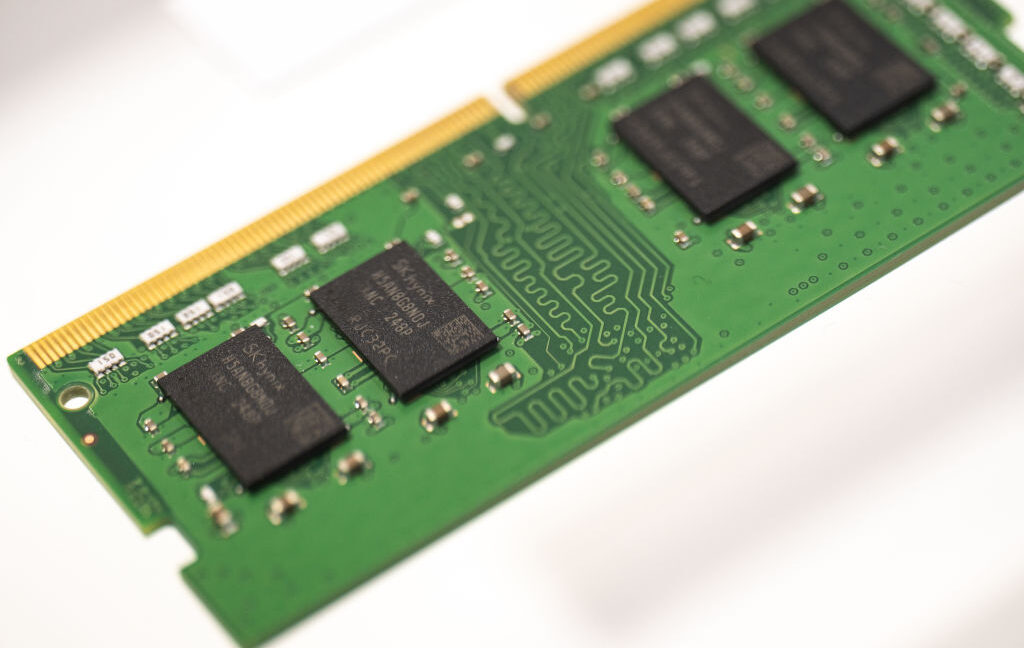
The pain of the global memory shortage is not going away soon. Executives across the memory industry now expect tight RAM supply to persist through 2028, and pricing for next year already reflects it: memory sold for 2027 is priced "much higher" than what buyers paid in 2026.
That is a notable signal because it points to deals that are already being locked in. Rather than a short-lived spike that eases as factories catch up, the industry is describing a multi-year squeeze in which customers commit to pricey supply well in advance.
The main driver is the appetite of AI data centers. Server builds for AI workloads consume huge volumes of high-bandwidth memory and conventional DRAM, and manufacturers have shifted production capacity toward those higher-margin products. That leaves fewer wafers for the standard memory used in laptops, desktops, smartphones and consumer electronics, pushing prices up across the board.
Adding new capacity is slow and costly. Building and equipping a memory fab takes years, and producers have been cautious about expanding after painful boom and bust cycles in the past. Even with new plants planned, executives do not expect meaningful relief until 2028 at the earliest.
For consumers, the practical effect is likely to be pricier devices, trimmed memory configurations, or both. PC and phone makers have already faced pressure on margins, and higher component costs tend to be passed along sooner or later. Anyone planning a hardware upgrade may find that waiting does not bring prices down, at least not in the near term.
Businesses are in a similar spot. Cloud providers and enterprises buying servers face rising bills for memory, and long-term contracts are becoming a way to secure supply, even at elevated rates.
The takeaway from the industry itself is blunt: this is a structural imbalance between AI-driven demand and available supply, and it will take years, not months, to resolve.
Reporting based on an external source.