Milt Windler, Apollo 13 Flight Director Who Helped Bring the Crew Home, Dies at 94
Space·October 4, 2026
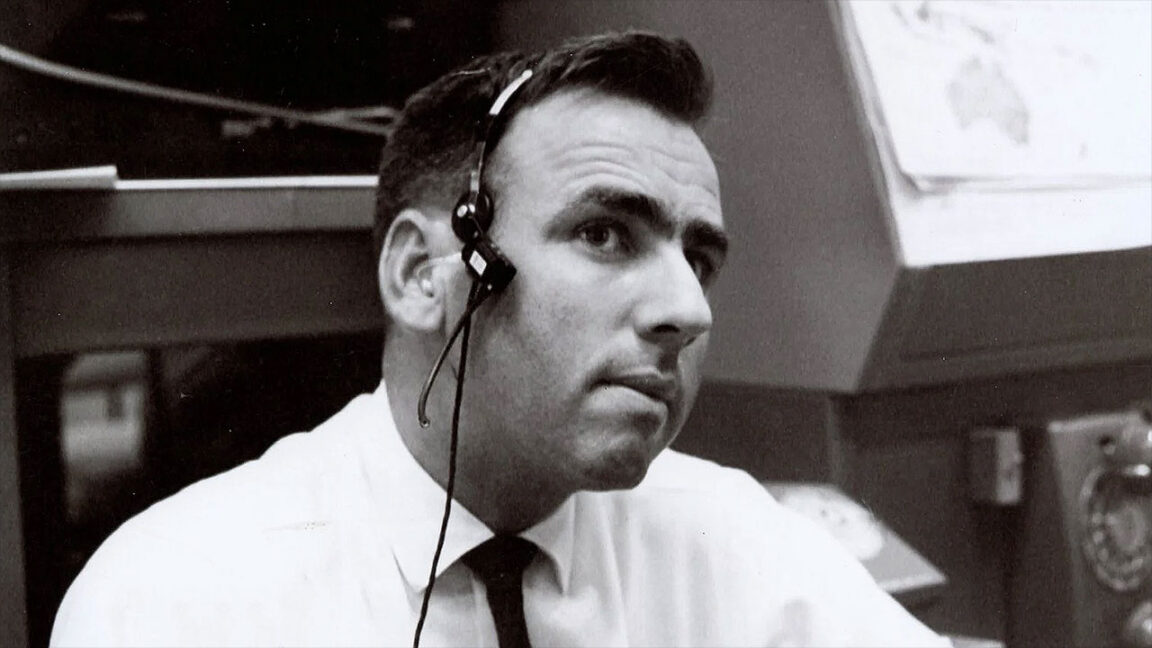
Milt Windler, one of the NASA flight directors who helped guide the stricken Apollo 13 mission to a safe return, has died at the age of 94.
Windler was part of the small group of Mission Control leaders who ran the agency's flight operations during the Apollo era. When an oxygen tank ruptured aboard Apollo 13 in April 1970, turning a planned lunar landing into a desperate fight to get three astronauts back alive, the flight directors on the ground became central to the rescue. Windler led one of the shifts working the problem as the crew limped around the Moon and back toward Earth.
The flight director role was demanding by design. Each director commanded a team of specialists monitoring spacecraft systems, trajectories, power and life support, and had final authority over decisions made in real time. On Apollo 13, that meant improvising procedures on the fly, stretching limited battery power and oxygen, and working out how to keep carbon dioxide at survivable levels inside a cramped lunar module never meant to serve as a lifeboat for three people.
Looking back on those years, Windler summed up the feeling of the work in a few words: "we were making history." It was an understated way of describing a career spent at the center of some of the most consequential engineering of the twentieth century.
His death leaves fewer and fewer of the people who staffed Mission Control in the 1960s and 1970s. Those engineers were often in their twenties and thirties, working with computing power far weaker than a modern phone, and relying on slide rules, paper checklists and sheer teamwork. Apollo 13 is now widely taught as a case study in crisis management, a mission that failed its original goal but is remembered as a triumph of problem solving under pressure.
For today's space industry, which is once again planning crewed lunar missions, the culture Windler and his colleagues built still resonates. Mission Control's habits of rigorous rehearsal, open debate and calm decision making under stress remain a template for how complex technical operations are run.
Windler's contribution may not have carried the name recognition of the astronauts who flew, but the people who brought Apollo 13 home included many like him, working long shifts on the ground. His passing is a reminder of how much of that achievement rested on them.
Reporting based on an external source.