NYC's Free Battery Program Offers Window AC Users a Cooler, Cleaner Summer
Energy Tech·October 3, 2026
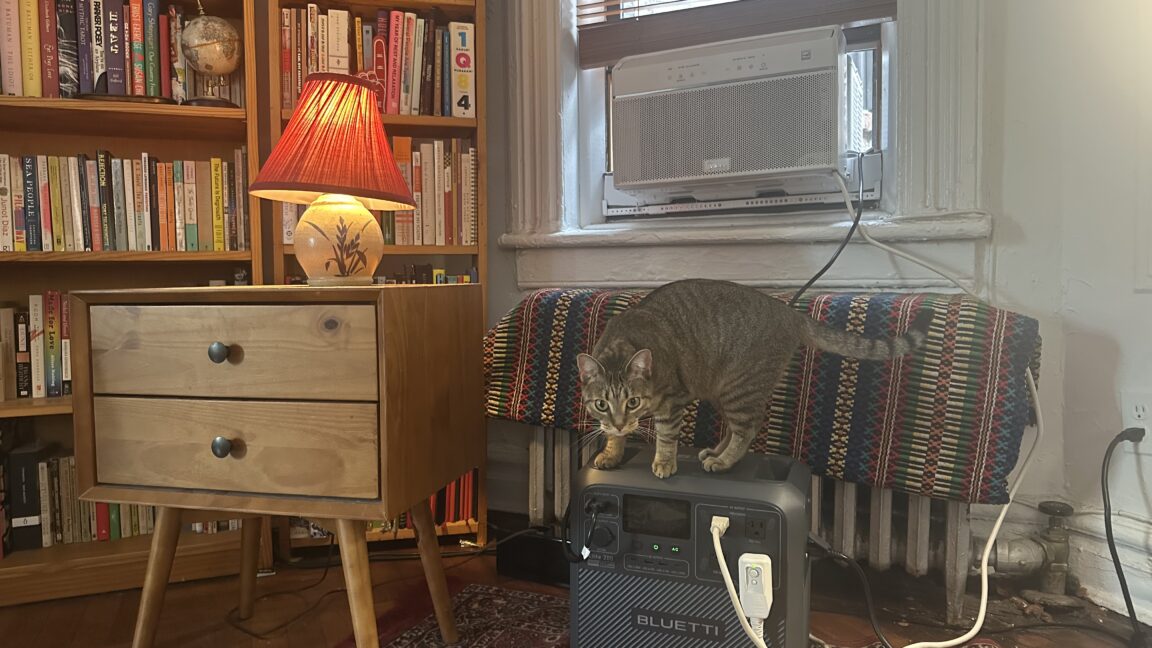
Window air conditioners are the workhorse of New York summers, and also one of the city's quieter energy headaches. Millions of them switch on at the same hot hours, straining the grid just when demand peaks. A free battery program in the city is now trying to ease that strain by putting storage directly in apartments.
The idea is simple. A battery sits next to the window unit, charges when power is plentiful, and helps run the air conditioner when the grid is stretched. For the resident, that means staying cool without feeling like part of the problem. For the grid, it means a little less demand during the worst afternoons.
One writer who took part in the program recently described what living with the setup was like, using batteries from Every Electric. The appeal is how little effort it asks of a renter. There is no rooftop to negotiate and no wiring project to schedule. The hardware plugs into a normal household arrangement, and the cost to the tenant is zero, which matters in a city where cooling is often treated as an expense to be endured.
The program also points to a broader shift. Cities have mostly talked about batteries in terms of large utility installations or rooftop solar for homeowners. Small, plug-in storage aimed at apartment dwellers fills a gap, because renters make up most of New York's population and have few options for cutting their own energy impact.
There was also an unexpected side effect. According to the account, the batteries have a devoted fan base in the household: cats. The units apparently make a warm, appealing spot to settle on, which is not a feature that shows up on any spec sheet but may help with adoption.
Questions remain about how far a program like this can scale. Free hardware is an easy sell to participants, but its value to the grid depends on how many units are deployed and how they are used during heat waves. Still, as summers get hotter, small-scale storage in individual apartments looks like a practical experiment worth watching.
Reporting based on an external source.