Patient-Zero Drill Finds 40% of Health Facilities Failed to Spot Fake Outbreak
Health Tech·October 3, 2026
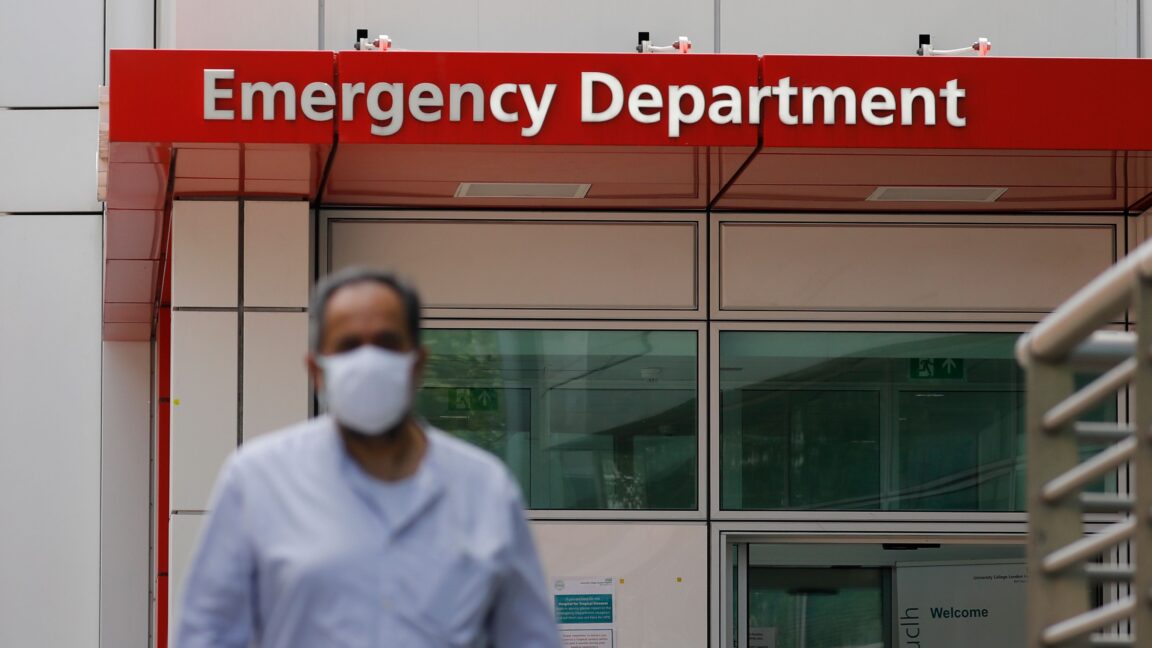
A recent drill that sent actors posing as infected patients into 73 healthcare facilities has delivered an uncomfortable result: about 40 percent of the sites failed the test.
The exercise was built around the idea of a "patient zero," the first person to show up with signs of a dangerous infectious disease. Actors wore makeup and acted out symptoms as they staggered into clinics and hospitals. The goal was simple. Would staff recognize the warning signs, isolate the patient, and start the right protocols before the illness could spread?
For a large share of the facilities, the answer was no. Failures in this kind of drill typically point to gaps at the very first point of contact, such as front-desk screening, triage, and the speed at which a suspected case is separated from other patients and staff. Those early minutes are exactly when a contagious patient can do the most damage in a waiting room.
The finding matters because frontline facilities are the first line of defense in any outbreak. Public health officials can have strong plans on paper, but if a clinic does not catch the first case, containment starts on the back foot. Past outbreaks have shown how quickly a single missed patient can lead to transmission among health workers and other patients.
It also underlines why unannounced, realistic exercises are valuable. Written plans and training sessions can look solid in review, yet fall apart when a convincing, visibly unwell person walks through the door at an inconvenient moment. Staff turnover, busy waiting rooms, and uncertainty over who is responsible for what can all undermine a response that looks sound in theory.
A 40 percent failure rate does not mean those facilities are careless. It does suggest that preparedness is uneven, and that regular practice, clear escalation steps, and simple tools for screening and isolation are needed to close the gap. The 60 percent that passed show that good performance is achievable, and their approaches could serve as a model for the rest.
As health systems look ahead to the next emerging pathogen, drills like this one offer something that audits cannot: a direct look at how people actually behave when the first case arrives.
Reporting based on an external source.