Robotaxi Designers Face an Awkward Question: What Happens When Riders Get Intimate?
Autonomous Vehicles·October 2, 2026
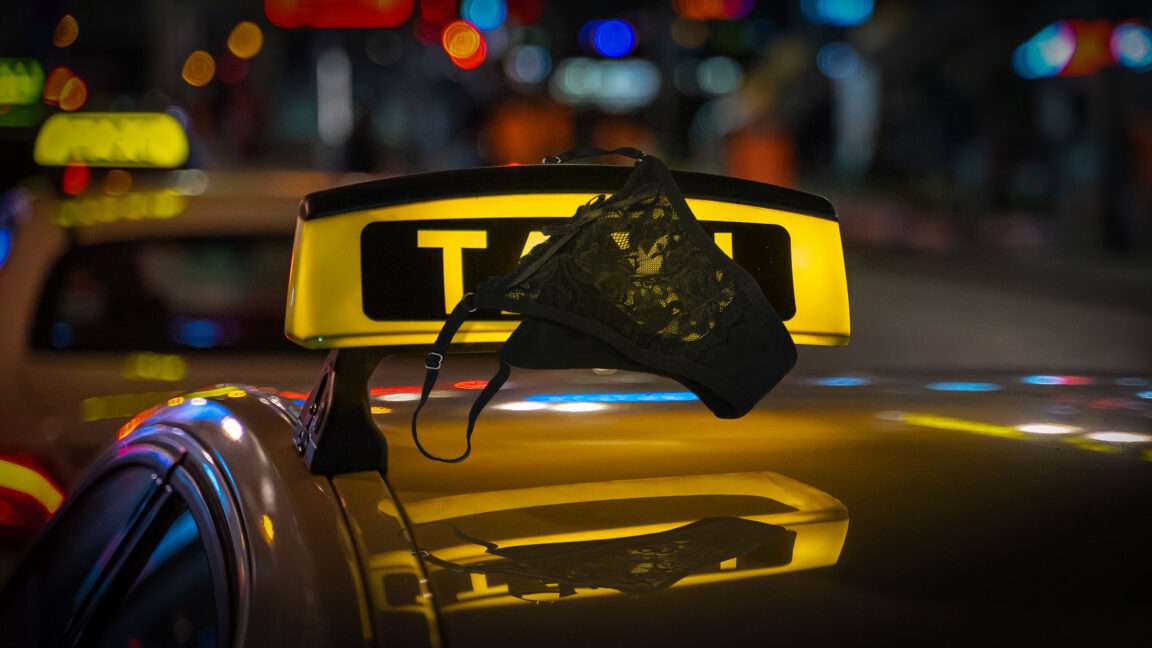
Robotaxis have solved a problem that human drivers never could: there is nobody up front to roll their eyes. That absence is now creating a design headache for the companies building autonomous ride-hailing fleets, because some passengers are treating the cabin as a private, unsupervised room.
The issue is not entirely new. Taxis and ride-hailing cars have always been places where couples get cozy. But a driver in the front seat, and the social pressure that comes with them, kept most behavior in check. Remove the driver and the dynamic shifts. Riders know the vehicle is a rented, shared space, yet it feels like a pod with tinted windows and no witness.
Content creators add a further twist. For people who build audiences by pushing boundaries, a driverless car is a convenient set, and a stunt filmed in one can travel quickly across social platforms. The result is a reputational risk for operators, who do not want their branded vehicles turning up in viral clips for the wrong reasons.
So designers are being asked to think about behavior the way they think about crash safety. Options on the table include cabin layouts that make the space feel more open and less secluded, interior cameras that monitor riders, and clear terms of service that allow companies to fine or ban offenders. Each comes with trade-offs.
Cameras are the most direct tool, but they raise obvious privacy concerns. Riders already know they are being recorded in many fleets, and some find that uncomfortable. Companies have to balance deterrence against the perception that a robotaxi is a surveillance box. Remote support teams that can speak to passengers through the car's speakers are another lever, though staffing them at scale is costly.
Physical design may be the quieter answer. Seating that faces forward, better interior lighting, visible displays and cabins with larger windows all make a vehicle feel more public. Sparse, open interiors discourage lingering. Some designers also point to cleanliness and turnaround, since a car that needs a deep clean after an incident is a car that is not earning money.
There is also a broader lesson for the industry. Autonomous vehicles are often pitched as a technology problem, about sensors, software and safety statistics. As fleets grow, the harder challenges increasingly look human. Passengers will leave trash, vandalize seats, and test the rules, and the people who design the vehicles have to plan for all of it.
For operators, the goal is not to police every ride but to make misuse awkward, visible and costly enough that most people do not try. How well they manage that may shape how comfortable the public ultimately feels about stepping into a car with nobody at the wheel.
Reporting based on an external source.