Startup Pays New Yorkers to Run Their ACs on Free Home Batteries
Energy Tech·October 4, 2026
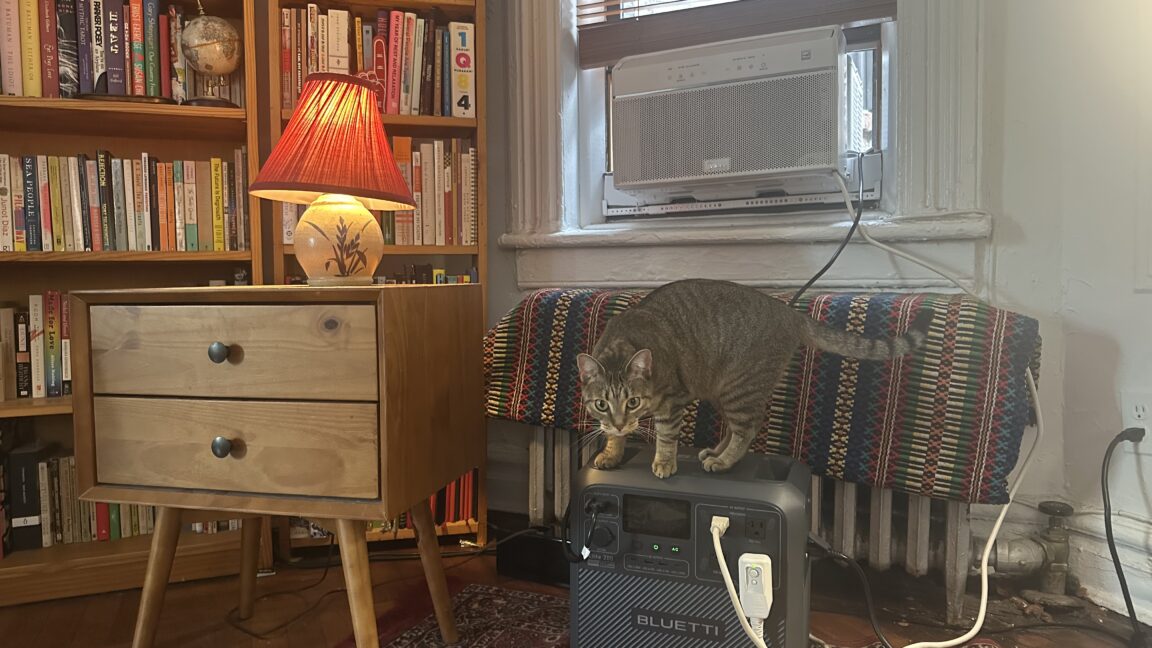
A startup called Every Electric is trying a simple trade with New York City residents: take a free battery, run your air conditioner off it, and get paid for doing so.
The idea targets one of the grid's most predictable headaches. On the hottest afternoons, millions of window and wall units switch on at once, pushing demand to its yearly peak. Utilities then lean on their most expensive and often dirtiest power plants to keep up. If a meaningful number of apartments can draw from a battery during those hours instead of the grid, the peak shrinks.
Under the program, participants get a battery at no cost. The batteries charge when electricity is cheaper and demand is lower, then discharge to power the AC when the grid is stressed. Residents are compensated for the shift, so the arrangement costs them nothing and puts a little money in their pocket.
This approach is often described as demand flexibility. Rather than building more capacity that sits idle most of the year, the system pays customers to change when they use power. Small batteries spread across many homes can, in aggregate, act like a power plant that never has to be built. Dense cities like New York are a natural testing ground, since apartments are packed with air conditioners and there is little room for rooftop solar or large backup systems.
Plug-in batteries designed for renters are a relatively new twist. Traditional home storage usually requires a homeowner, an installer and a hefty upfront bill. A device that sits in a living room and connects to a standard unit lowers the barrier considerably, which matters in a city where most people rent.
There is also an unexpected side effect. According to the report, the company's batteries are beloved by household cats, who apparently find the warm, humming boxes an ideal place to nap. It is hardly a selling point for grid operators, but it may help with word of mouth.
Whether the model scales will depend on how reliably the batteries respond when called on, how much participants are paid, and whether utilities and regulators recognize the aggregated capacity as a legitimate grid resource. For now, the pilot offers a low-friction way to test whether apartment dwellers can help keep the lights on during a heat wave, without sweating through it.
Reporting based on an external source.