Amazon's $1B Data Center Charm Offensive Triggers a Fresh Round of Criticism
Big Tech·October 3, 2026
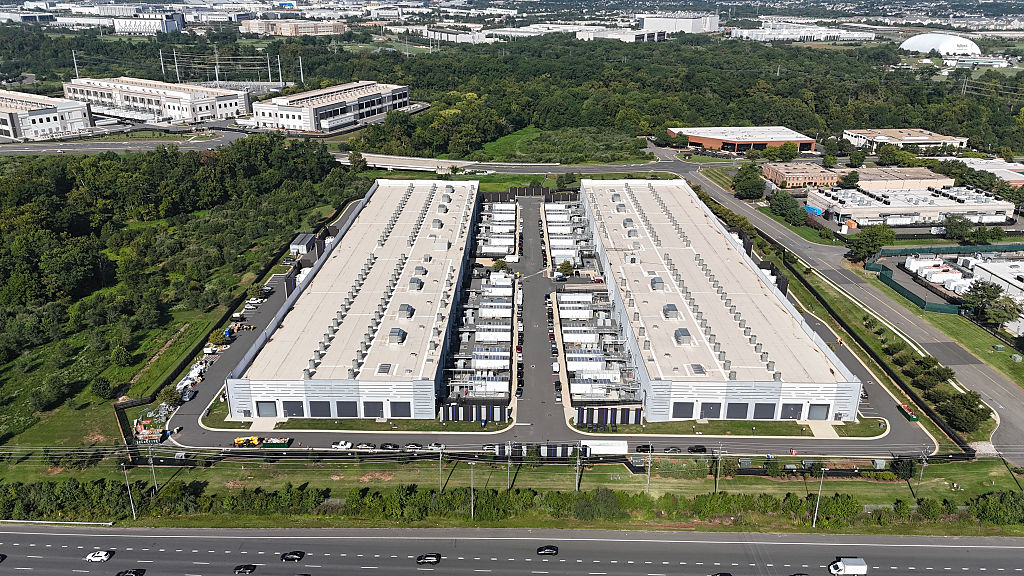
Amazon has unveiled a $1 billion plan aimed at easing growing local opposition to its data centers. The reaction has been mixed at best, with some of the company's moves welcomed and others sharply criticized.
The most praised element is Amazon's decision to stop using nondisclosure agreements when it negotiates with communities over new sites. Those agreements have long frustrated residents and local officials, who often learned the scale of a proposed project only after key decisions had been made. Ending the practice is being read as a real concession to calls for more transparency.
The criticism centers on how Amazon talks about environmental impact. Opponents argue the company is downplaying the pollution tied to its data centers, including emissions from on-site power generation and the strain the facilities place on local grids and water supplies. In their view, a large spending pledge does not answer the question of who bears those costs, and a public relations push is no substitute for measurable commitments on air quality and energy use.
The backlash matters because data centers have become one of the most contested forms of infrastructure in the AI boom. Cloud providers are racing to build capacity, and communities from rural counties to suburban corridors have pushed back over noise, electricity prices, water consumption and tax breaks. Several projects have faced delays, tougher zoning rules or outright rejection as a result.
Amazon is not alone in feeling that pressure, but its scale makes it a bellwether. A company of its size can afford to spend heavily on community goodwill, yet critics note that goodwill money is easy to announce and harder to hold to account. Without independent reporting on emissions and resource use, they say, residents are still being asked to take the company's word for it.
For Amazon, the episode shows how narrow the path is. Giving up secrecy earns credit, but pairing that with a softer account of environmental harm invites exactly the scrutiny the plan was meant to defuse. Whether the $1 billion buys lasting trust is likely to depend less on the size of the pledge and more on what Amazon is willing to disclose and measure from here.
Reporting based on an external source.