Blue Origin Asks FAA to Clear 50 New Glenn Launches a Year
Space·October 4, 2026
Blue Origin is asking US regulators for permission to fly its New Glenn rocket far more often than it does today. According to the latest edition of Ars Technica's Rocket Report, the company has applied to the Federal Aviation Administration for approval of up to 50 New Glenn launches and 50 booster landings each year.
The figure is a statement of intent. New Glenn is a heavy-lift rocket with a reusable first stage, and a cadence of that size would put it in the same conversation as the busiest vehicles in the industry. Regulatory approval is a prerequisite for scaling up, since environmental and safety reviews set the ceiling on how many flights a provider can legally conduct from a given site. Seeking a high cap early gives Blue Origin room to grow without returning to the FAA for each increase.
The booster landing count matters as much as the launch count. Recovering and reusing the first stage is central to the economics of modern launch, and asking for one landing per flight signals that Blue Origin expects to recover its boosters routinely rather than treating recovery as an occasional experiment.
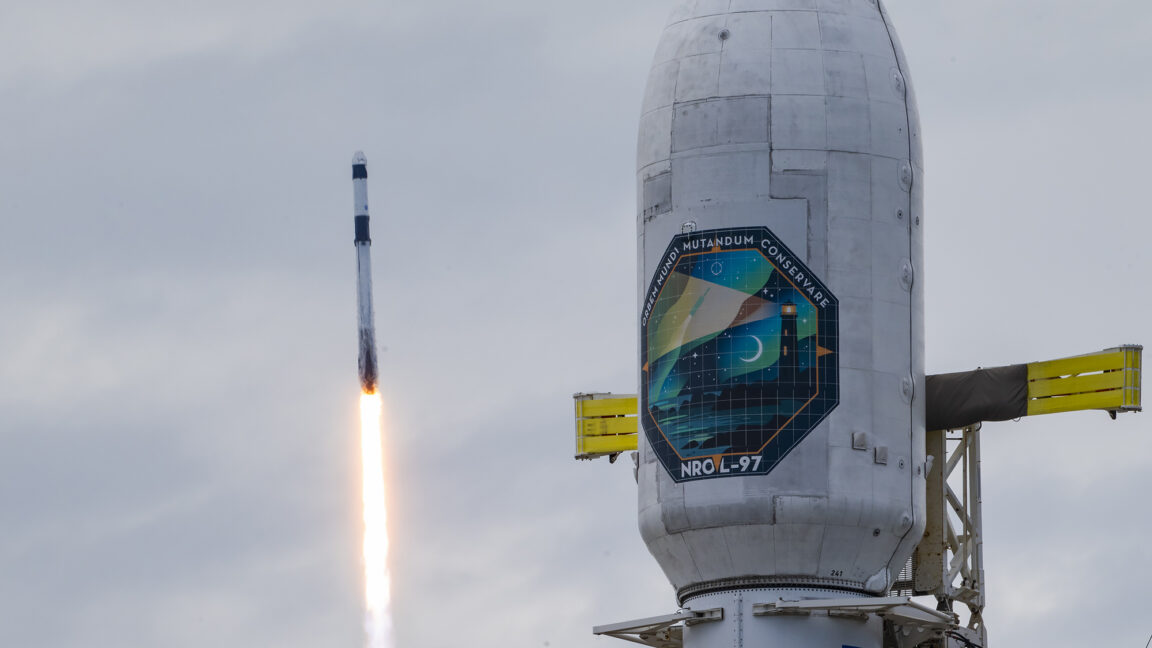
Elsewhere in the roundup, SpaceX completed a launch triple-header, flying three missions in a tight window. That kind of back-to-back activity has become a hallmark of the company's operations and a benchmark rivals are measured against. Rocket Lab, meanwhile, landed a sizable contract, adding to its momentum as it positions itself as a credible alternative in the small and medium launch market.
Taken together, the items sketch a launch sector where demand and ambition are both rising. SpaceX continues to set the pace, Rocket Lab is winning larger deals, and Blue Origin is laying the regulatory groundwork to try to close the gap. Whether New Glenn can actually approach 50 flights a year is a separate question, and it will depend on production rates, pad turnaround and customer demand. But the filing makes clear where the company wants to go.
Reporting based on an external source.