Church Coalition Demands Microsoft Share 1% of Data Center Costs, Gets Silence
September 28, 2026
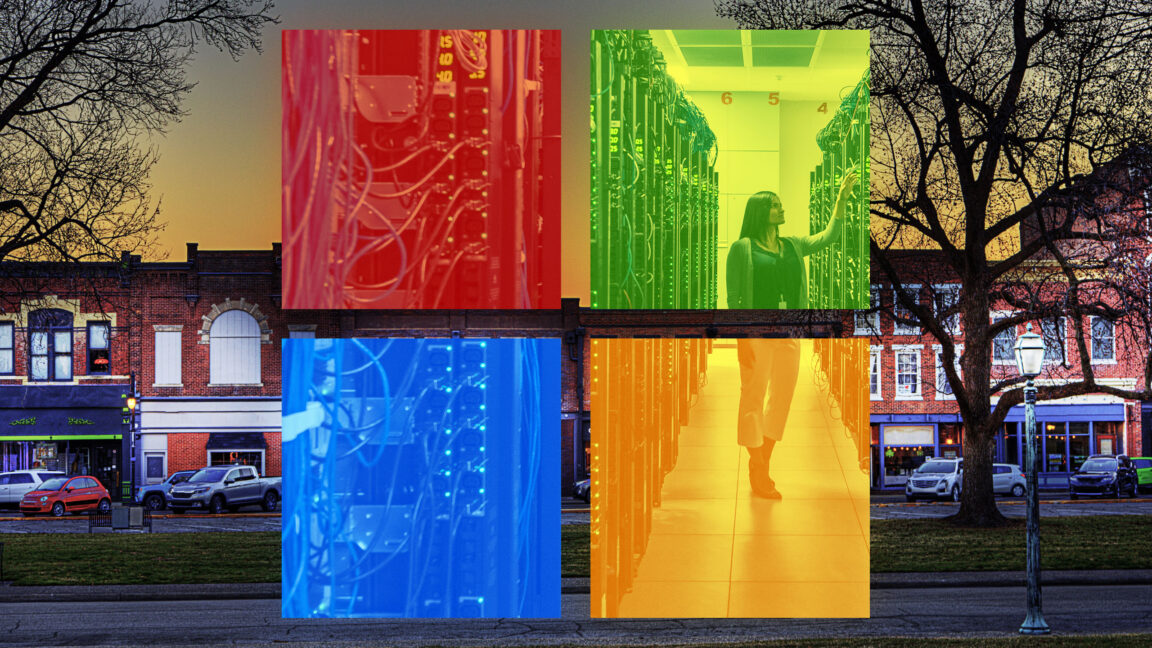
A coalition of church groups is pressing Microsoft for a slice of the money it spends building data centers in their communities, and the tech giant's silence in response is becoming its own story.
The faith-based organizers are asking Microsoft to commit 1% of its data center construction costs in their area to a community benefit fund, money they say could go toward affordable housing, infrastructure upgrades, and environmental mitigation for neighborhoods living alongside the company's sprawling server farms. Given the scale of Microsoft's data center investments, even a 1% carve-out would amount to a substantial sum, but so far the company has not publicly engaged with the proposal.
"Microsoft claims to want to be a good neighbor, but the jury is still out," one organizer said, capturing the frustration building among residents who feel left out of the negotiations that accompany massive data center projects. Church groups have increasingly stepped into this role as unofficial community advocates, arguing that the tax breaks and zoning approvals local governments hand out to attract data centers rarely come with guarantees for the people living closest to them.
The request lands at a moment when data center buildouts, driven by the AI boom, are drawing scrutiny nationwide. Communities near these facilities have raised concerns about strained power grids, heavy water usage for cooling systems, noise from generators and cooling equipment, and rising electricity costs that can ripple out to nearby ratepayers. Community benefit agreements, in which developers commit funding or services in exchange for public support, have become a common demand in other industries, and faith coalitions are now applying that model to the data center sector.
Microsoft has previously touted its investments in local infrastructure and its efforts to reduce the environmental footprint of its cloud operations, including pledges around water positivity and carbon reduction. But critics say those broad sustainability commitments do little to address the specific, localized impact felt by residents near individual sites. Without a direct response to the 1% proposal, organizers say they are left guessing whether the company intends to negotiate at all.
The standoff underscores a broader tension facing Big Tech as it races to expand computing capacity for artificial intelligence: the communities hosting that infrastructure are demanding a more direct stake in the benefits, not just promises of jobs and tax revenue that may take years to materialize. Whether Microsoft responds, and how, could set a precedent other tech companies watch closely as they plan their own next-generation data center campuses.
Reporting based on an external source.