Smithsonian Becomes Ground Zero in Trump's Fight Over American History
September 28, 2026
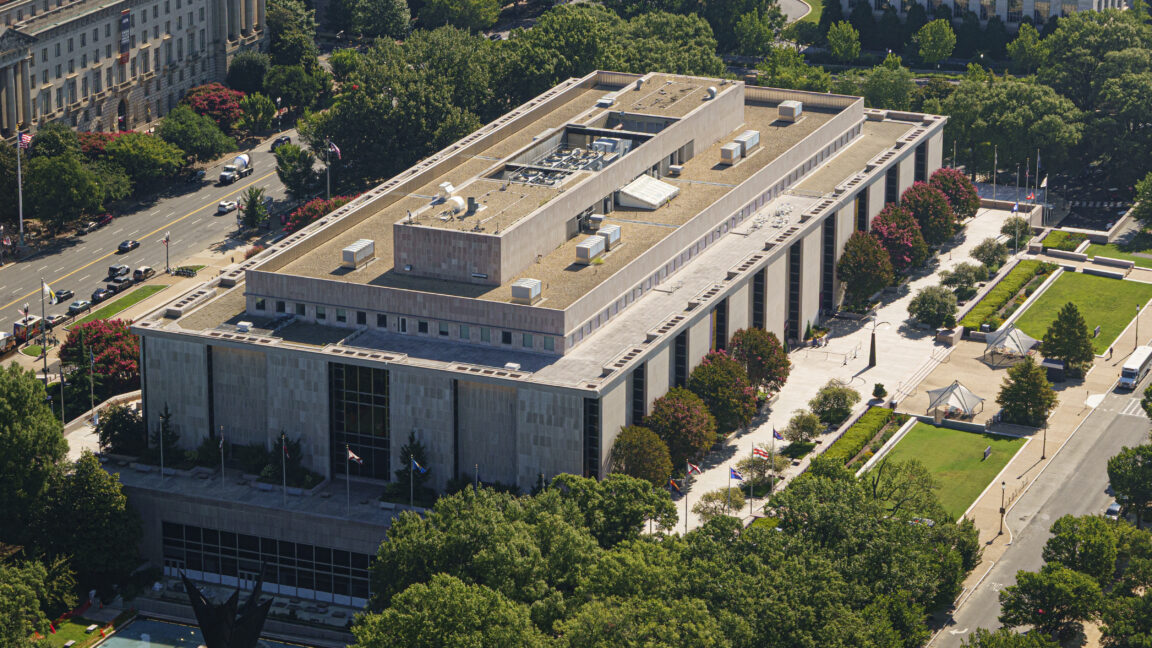
The Smithsonian Institution, long regarded as a neutral custodian of American history, has found itself squarely in the crosshairs of the Trump administration's broader campaign to reshape how cultural institutions present the nation's past.
Over recent months, the White House has pushed the Smithsonian to revise exhibits it considers ideologically slanted, arguing that some museum content emphasizes systemic injustice and division rather than what officials describe as a more unifying, patriotic narrative. That effort has included direct requests for content reviews, scrutiny of specific exhibitions on race and slavery, and pressure campaigns aimed at leadership decisions across the Smithsonian's network of museums, which includes the National Museum of African American History and Culture and the National Museum of American History.
Because the Smithsonian relies heavily on federal funding, roughly two-thirds of its budget comes from congressional appropriations, it is uniquely exposed to political pressure in a way that privately funded museums are not. That dependency has become a central point of leverage, with officials signaling that funding decisions could hinge on whether the institution complies with requested changes.
Smithsonian leaders have pushed back on the notion that the museums promote a one-sided version of history, while also acknowledging the delicate position the institution occupies: legally independent, but financially tethered to Congress and the executive branch. The result has been a tense negotiation playing out largely behind closed doors, punctuated by public statements from both sides.
The dispute fits into a broader pattern from the administration, which has taken aim at academic institutions, arts funding bodies, and now museums as part of an effort to root out what it calls "improper ideology" from federally supported cultural and educational spaces. Critics see this as government overreach into curatorial independence and a chilling effect on how uncomfortable chapters of American history, including slavery, segregation, and Indigenous displacement, are presented to the public. Supporters of the push argue that taxpayer-funded institutions should not editorialize and that some exhibits have leaned too far into a critical, one-sided framing of the country's founding and development.
For technology and media observers, the fight is notable less for its content than for what it signals about institutional resilience in an era when funding strings increasingly come attached to political conditions. Universities, public broadcasters, and now museums have all faced similar pressure campaigns this year, raising questions about how independent, federally linked institutions can maintain editorial autonomy while remaining financially dependent on the government.
The Smithsonian has not announced major exhibit closures or content removals in response to the pressure, but people familiar with internal discussions say the institution is weighing how much to accommodate White House requests without appearing to capitulate. How that balance is struck could set a precedent for other publicly funded cultural institutions bracing for similar scrutiny.
Reporting based on an external source.