How the 2008 Crash Quietly Rewired America's Energy Habits
Energy·October 3, 2026
For most of the 20th century, a growing American economy meant rising energy use and rising carbon emissions. The three climbed together, and policymakers treated the link as close to a law of nature. The 2008 financial crisis helped break it, though almost nobody saw that happening in real time.
The recession cut demand for fuel and electricity sharply. That was expected. What came next was not. When growth returned, energy consumption and emissions did not bounce back to their old trajectory. The economy expanded while carbon output stayed flat or drifted lower, a pattern analysts now describe as decoupling.
Several forces lined up in the same window. Cheap natural gas, unlocked by the shale boom, began displacing coal in power generation just as slack demand left aging coal plants struggling to compete. Gas burns with roughly half the carbon dioxide of coal per unit of electricity, so each switch trimmed emissions without any dramatic policy push.
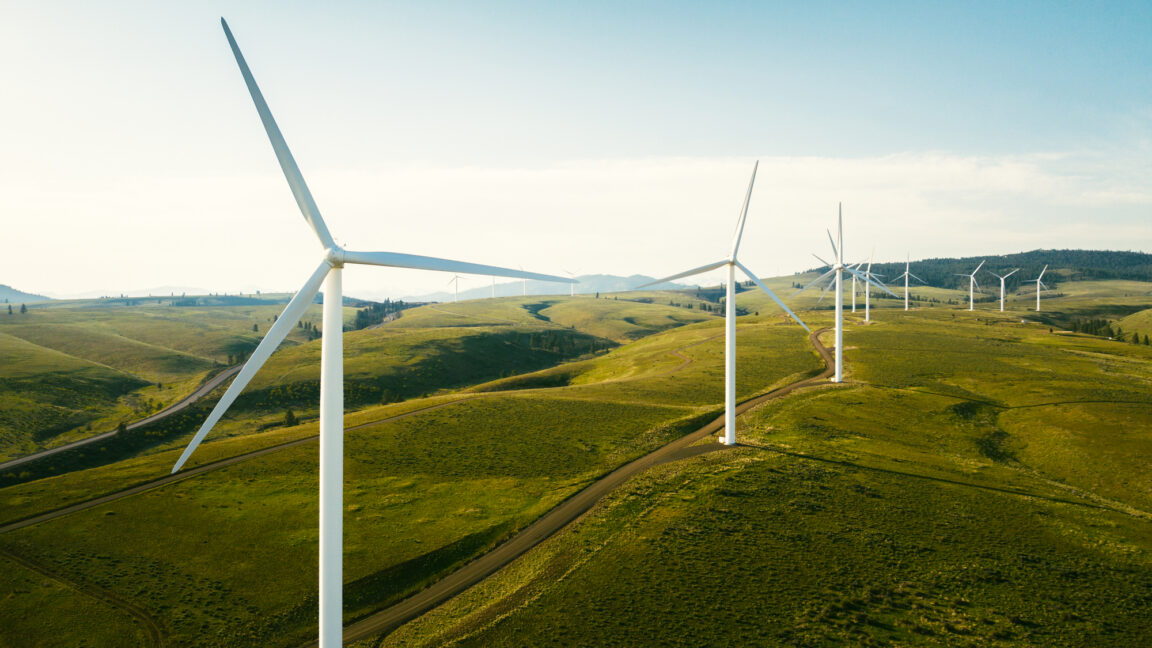
At the same time, the crisis reshaped investment. Stimulus spending and loan programs after 2009 funneled money into wind, solar and efficiency upgrades, helping those industries move down the cost curve. Solar panels and wind turbines that were once subsidy-dependent became competitive in many markets within a decade. Efficiency standards for vehicles, appliances and buildings also kept per-unit energy needs falling, so each dollar of output required less power than before.
Structural change in the economy played a part too. Growth leaned more toward services, software and finance than heavy manufacturing, activities that generate more value per unit of energy consumed. Add a period of weaker demand growth for electricity, and the old assumption that more output requires more power looked increasingly shaky.
The decoupling is real but not a clean success story. Emissions have not fallen fast enough to meet the targets scientists say are needed to limit warming, and some of the gains came from cheap gas rather than deliberate climate policy. Gas itself carries methane leakage concerns that can erode its advantage. More recently, surging electricity demand from data centers and electrification has raised fresh questions about whether the trend can hold.
Still, the episode offers a useful lesson. A shock that seemed purely destructive coincided with a structural reset, and the shift only became clear in hindsight. It shows that growth and emissions can separate, and that the technology and market conditions that drive the split can take root during a crisis. Whether the next decade extends that break or reverses it will depend on how the country meets the new wave of power demand.
Reporting based on an external source.