Tech CEO Arrested Over Alleged $300M Nvidia Chip Smuggling Scheme to China
Semiconductors·October 3, 2026
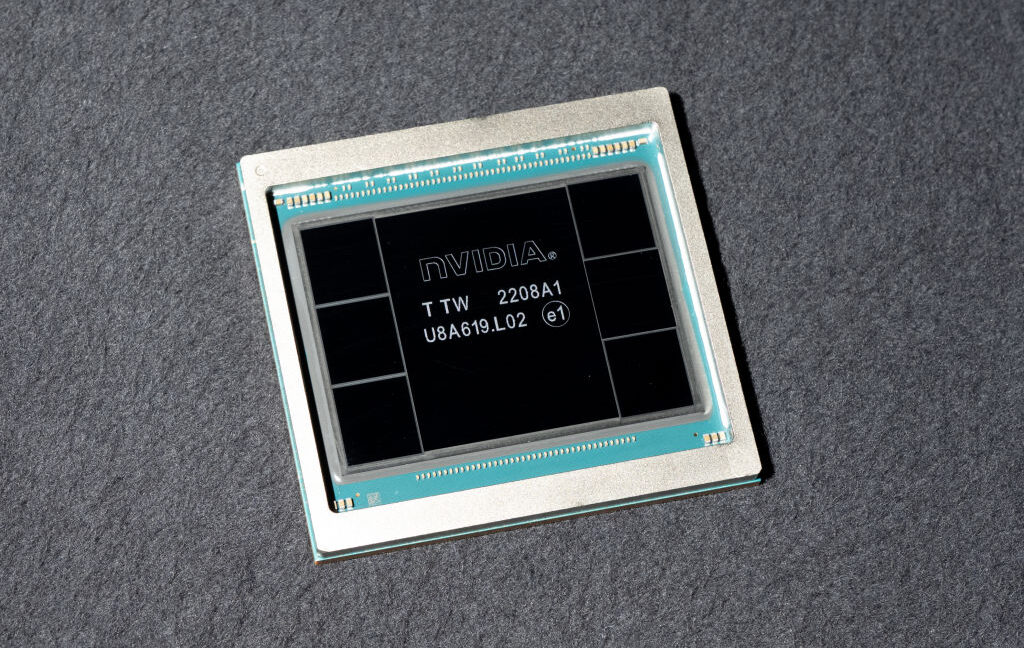
US authorities have arrested the chief executive of a technology company on allegations that they helped smuggle about $300 million worth of Nvidia chips into China, in the latest case to expose how hard it is to keep advanced AI hardware out of restricted markets.
According to the charges, the scheme moved high-end Nvidia processors around American export rules, which bar the sale of the most capable AI accelerators to Chinese buyers. Prosecutors allege the shipments were disguised or rerouted so that the final destination was hidden from regulators and from the chipmaker itself. The defendant is presumed innocent unless proven guilty in court.
The size of the alleged operation stands out. At typical prices for data center GPUs, $300 million of product would amount to thousands of chips, enough to equip a sizable AI training cluster. That illustrates why Washington treats diversion of these parts as a national security issue and not a routine customs violation.
This is far from the first arrest of its kind. Over the past couple of years, the Justice Department has brought a series of cases against individuals and companies accused of buying restricted Nvidia hardware through shell firms and intermediaries in third countries, then passing it on to Chinese customers. Each case has been presented as a warning, yet new ones keep surfacing. Demand for Nvidia's accelerators in China remains intense, and the price gap between legitimate markets and gray-market resale gives middlemen a strong incentive to take the legal risk.
For Nvidia, the situation is awkward. The company has said it complies with export rules and does not support unauthorized resale, but its products are sold through a long chain of server makers, distributors and resellers. Tracking where each unit ends up is difficult, and critics in Washington argue that the company and its partners should do more to verify end users. Lawmakers have floated ideas such as location verification built into chips, though the practicality and security implications of such features remain debated.
The broader policy question is whether export controls can work when enforcement depends on catching individual smugglers after the fact. Supporters say prosecutions raise the cost and risk of diversion and disrupt supply networks. Skeptics point out that arrests tend to follow shipments that have already landed, meaning the hardware may already be in use.
For now, the case adds to pressure on both the government and the industry. Expect continued scrutiny of resellers, tighter due diligence requirements, and more prosecutions as investigators follow the money behind the trade.
Reporting based on an external source.